Climbing Plants
Climbing plants grow upward on fences, walls, and pergolas, making them ideal when you want greenery and flowers without giving up ground space. They’re one of the most versatile plant types for small and large gardens alike.
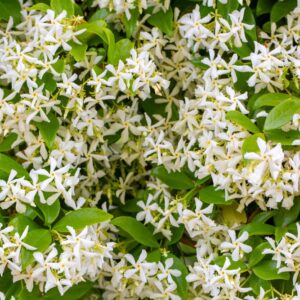
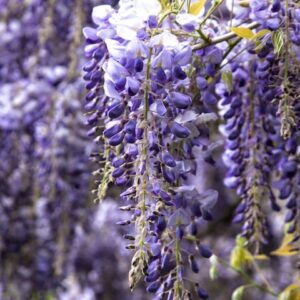
We carry climbing varieties for sun and shade, including star jasmine for fragrance, wisteria for spring flowers, and evergreen climbers like bower vine for year-round coverage. Most climbers need something to hold onto, so consider adding a trellis or wire framework before planting.
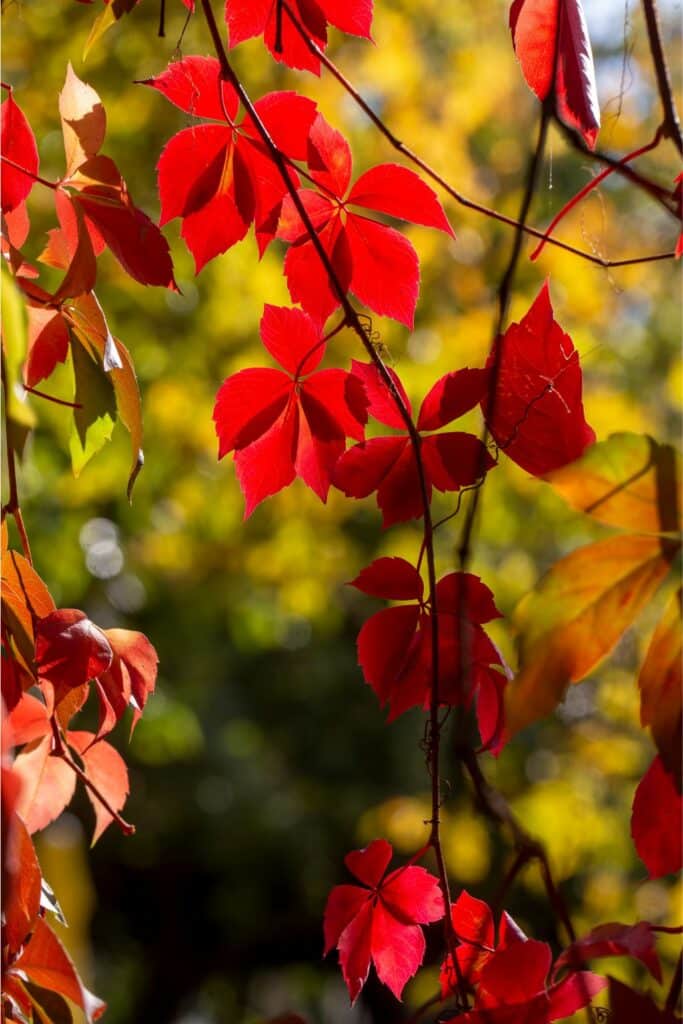
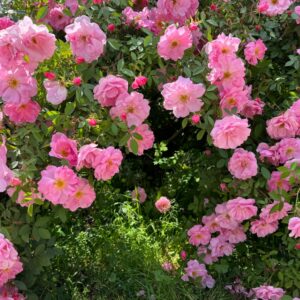
The right climber depends on what you want it to do. For covering a bare fence quickly, try star jasmine or hardenbergia. For a pergola with seasonal flowers, wisteria and climbing roses are hard to beat. For shade over a seating area, ornamental grape grows fast and drops its leaves in winter to let the sun through.
Most climbers grow best when planted in autumn or spring. Give them a sturdy support structure from the start, as established climbers can get heavy. Water regularly through their first summer, and feed with a general-purpose fertiliser in spring.
Melbourne’s temperate climate suits a wide range of climbers. Even in frost-prone areas like Epping and Whittlesea, there are plenty of hardy options that shrug off cold winters.
View Our Full Range of Climbing Plants
Not sure which climber suits your space? Our team can help you match the right climbing plant to your fence, wall, or pergola. Bring in a photo of the area and we’ll suggest varieties that will work well.
Products by Category

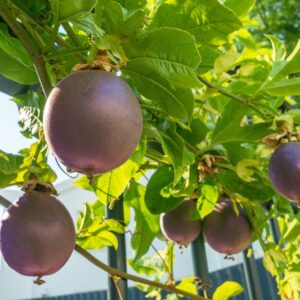
Black Passionfruit
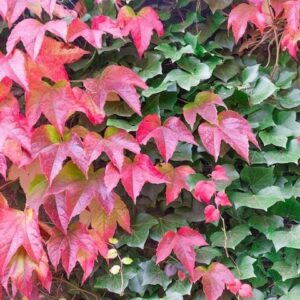
$13.95Boston ivy
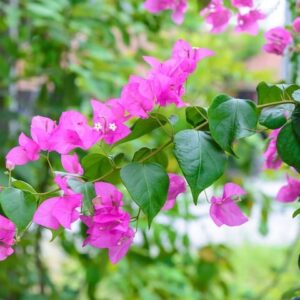
Price range: $16.95 through $39.95Bougainvillea
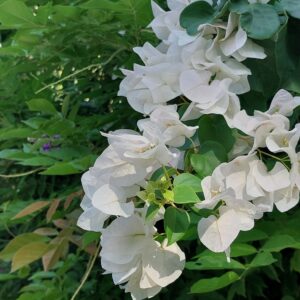
Price range: $15.95 through $35.00Bougainvillea Bambino
Price range: $14.95 through $39.00Chinese Star Jasmine
Price range: $12.95 through $47.95Chinese Wisteria
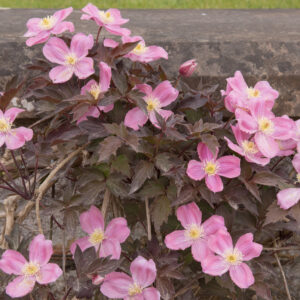
$45.00Clematis Rubens
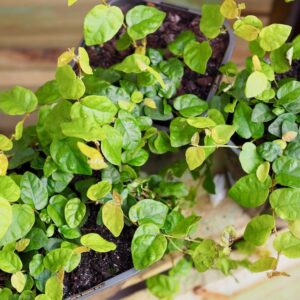
$16.95Climbing Fig
Price range: $11.95 through $20.95Climbing Roses
$45.00
Climbing Plants
Did You Know?
Climbing plants are among the hardest-working plants in any garden. Here are a few things worth knowing:
From Our Garden Guide
Climbing Plants
Climbing plants add vertical interest and greenery to any garden. Our team is always happy to help you choose the best climber for your situation. Check out our Garden Guide for more tips on climbing plants and garden design.